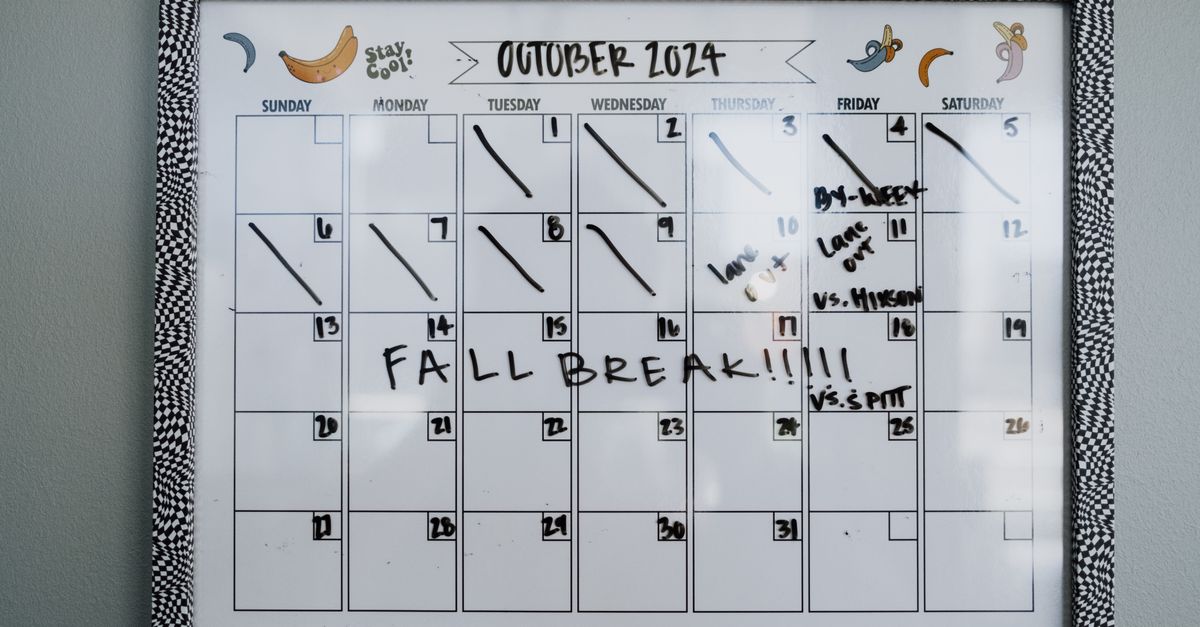
Most small service sites do not have a content problem; they have a planning cadence problem. Posts get written when someone panics about the quiet blog, which means topics are chosen under deadline pressure by a tired brain at 5pm — and the blog slowly fills with posts that are easy to write instead of posts anyone searched for. The fix is a quarterly planning session: one protected afternoon, once every three months, that decides the next twelve posts before a single one needs writing. This article gives you that afternoon as an hour-by-hour agenda, including where the topics come from and what to do with the plan when real life interferes. If you already work with how a managed blog calendar keeps a service site consistent, the session is the quarterly refill that keeps the calendar honest.
The principle underneath the agenda: decide topics when you are calm, write posts when you are scheduled. Separating those two decisions is the entire method, and it is what separates a blog that compounds from a blog that merely continues.



What A Planning Session Actually Produces
Walk in knowing the output, because it is smaller than people expect. A finished session produces three things and nothing more: a list of eight to twelve working titles sorted across the quarter, a one-line angle for each title so the writer never faces a blank page, and a rough difficulty rating so demanding posts land in quieter weeks. It does not produce drafts, outlines, or polished briefs — those are writing-time jobs. A planning session that tries to do everything ends with three fully planned posts and nine vague wishes; a disciplined one ends with twelve titles a tired writer can start on a Tuesday. If you want the writing-time layer done properly, a blog content brief template before anyone writes — the session hands its output to that template, one line at a time.
Worked application: a two-person bookkeeping firm runs its first planning session and books ninety minutes. The first hour disappears into a debate about rebranding the blog; in the final thirty minutes they panic-pick eleven topics. The next quarter they set a timer and follow the agenda below — sixty minutes, twelve titles, done, with energy left. The difference was not talent or commitment; it was knowing what the session was for.
The Afternoon Agenda, Hour By Hour
Hour one is collection, not judgment. Dump every candidate topic into one list: customer questions from the last quarter’s emails and calls, competitor posts that annoyed you, service pages that keep needing explanation, and seasonal hooks you know are coming. Use mining blog topics from customer questions as the source that never runs dry — ten minutes of rereading real customer questions usually produces five usable topics with the phrasing your readers already use. Do not evaluate during collection; evaluation too early is how lists stay short and safe.
Hour two is selection and spacing. Score each candidate with one question — does this post help someone who is deciding to hire us, or someone who already did? Keep at least two-thirds deciding-side posts, because those are the ones that rank and sell. Then spread the keepers across the quarter, alternating easy wins with demanding posts, and never scheduling two demanding posts back to back. End the hour by reading the quarter aloud: January, February, March — if any month sounds thin or crowded, fix it now, when moving titles costs nothing.
Choosing Topics Without A Blank Page
The blank-page feeling in a planning session is usually a source problem, not an ideas problem. Sources that reliably fill a quarter: the five questions customers ask before buying, the three things that go wrong after buying, the one misunderstanding that keeps causing bad-fit enquiries, and the seasonal pressure points your industry pretends are obvious. Each source yields two to three posts with almost no creativity required — you are transcribing demand, not inventing it. The craft lies in the angle line, not the topic: “invoice timing” is a topic, but “why late invoices are usually a process problem, not a client problem” is a post a writer can execute without a second meeting.
What To Do When The Quarter Goes Off Plan
The plan will bend; design for that upfront. Keep two slots per quarter marked flex — when a timely topic appears, a flex slot absorbs it without breaking the calendar. When a post dies halfway through writing, do not replace it the same week; promote the next easy post and let the gap stay a gap, because a rushed replacement is how filler gets in. And hold a fifteen-minute review at the quarter’s end: which posts got searched, which got read, which led to enquiries. The review is not a performance review of the plan — it is market research you paid nothing for, and it makes next quarter’s session twenty minutes faster. Two or three quarters in, the session stops feeling like planning and starts feeling like maintenance, which is exactly what a healthy blog feels like from the inside.
A last note on tooling: the plan only works if it lives where the topics live. A shared document with four headings — chosen, drafted, scheduled, shipped — beats any dedicated software, because the fancier the system, the less likely the second quarter gets planned in it. Paper on the wall works too; a plan nobody can see is a diary entry, not a plan.
If you take one thing from this article, take the separation: choose topics when you are calm, write them when you are scheduled. The afternoon is short; the separation is what makes it worth having.