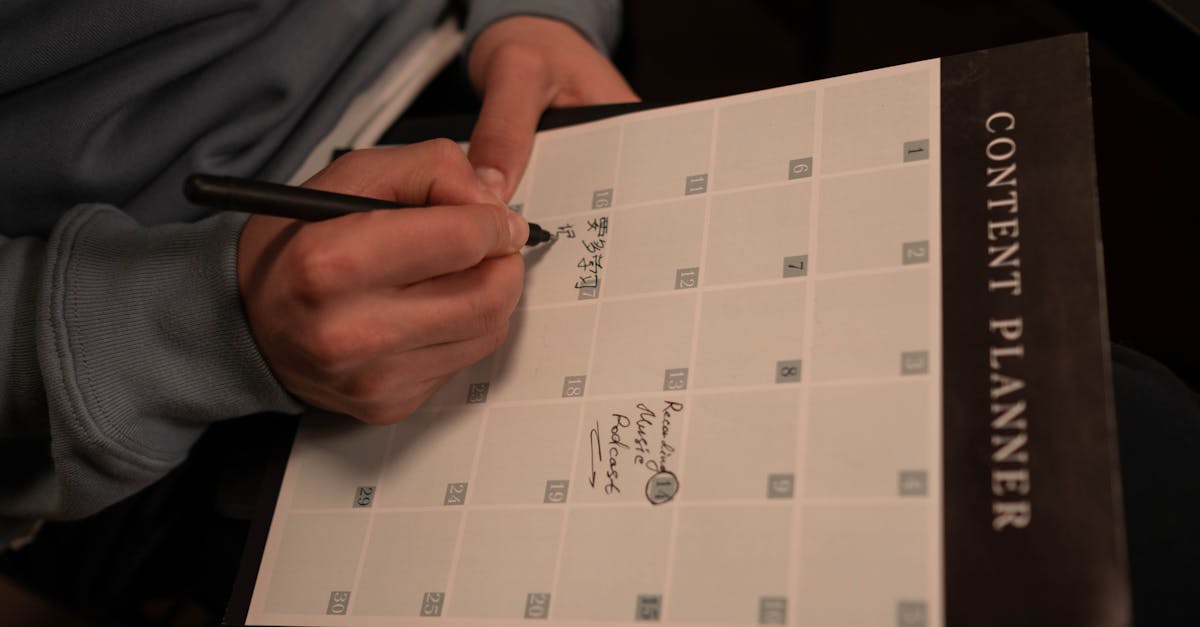
A small business website should publish as often as it can keep the articles useful, reviewed, and connected to real services. That may be once a month. It may be twice a month. For a few teams, weekly publishing can work. The wrong answer is choosing a cadence that fills a calendar while weakening the site.
For service websites, cadence is not a vanity number. Each article needs a topic worth answering, a draft that fits the business, a review step, a clean WordPress handoff, and a short look back after publication. If one of those pieces breaks, publishing more often usually makes the problem louder.
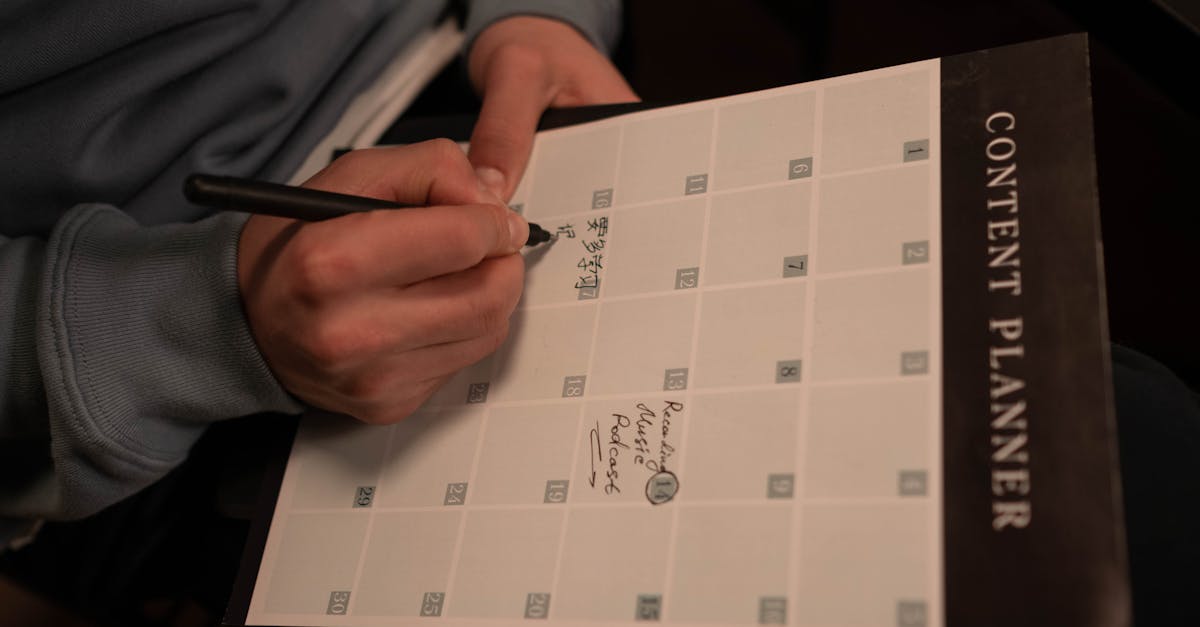
Start With Review Capacity
The most honest cadence question is not “how many articles would be nice?” It is “how many articles can we review without rushing?” A small service-site owner may have only one quiet hour a month for content. That hour has to cover claim checks, tone, examples, offer accuracy, links, and the decision to publish or pause.
Bakepages can reduce the production burden because The Oven prepares drafts and publishing details. It cannot remove business judgment. If the owner cannot review two drafts a month, then two live articles a month is not the right rhythm yet. Start with the review capacity the business truly has, then build from there.
Small Site Blog Cadence Decision Table
Use this table before choosing a publishing promise. The right cadence should feel a little boring, because boring is easier to keep.
| Cadence | Best fit | Watch for |
|---|---|---|
| One article per month | The site has a small topic map, limited review time, or higher-risk claims that need careful checking. | The single article becomes too broad because it tries to carry every question at once. |
| Two articles per month | The service pages already reveal clear buyer questions, objections, and proof gaps. | Drafts get approved late because the review owner has no recurring slot. |
| Weekly articles | The team has a strong topic queue, fast review habit, and stable WordPress handoff. | Output pressure creates repeated examples, thin posts, or articles that nobody reviews after launch. |
| Pause or reset | The queue is vague, published posts need repair, or the offer has changed. | The site keeps publishing to protect the schedule instead of protecting quality. |
The One-Article Month
One article a month is enough when the article is specific and useful. A single post can answer a sales question, support a service page, explain a decision, or give a practical checklist. It also leaves room for the owner to check details properly. For many small sites, this is the first cadence that can survive busy weeks.
The danger is making that one article too large. A monthly article called “Everything About Website Maintenance” will usually become vague. A monthly article called “What To Check Before Updating WordPress Plugins” can be more useful because the reader situation is smaller. Monthly publishing works best when each article owns one clear job.
The Two-Article Month
Twice-monthly publishing becomes realistic when the topic map is already visible. One article can support a core service page, and the second can answer a pre-sale question or objection. For example, a managed blog publishing site might pair a foundational article about what the service includes with a practical article about the review workflow.
This cadence needs a repeatable review slot. A draft that arrives every other week still needs a person to approve claims, examples, internal links, and publication timing. If review keeps slipping, the cadence is too fast or the handoff is unclear. Use the Printable Blog Brief Sheet before each draft so the request stays narrow.
When Weekly Publishing Is Too Much
Weekly publishing sounds attractive because the calendar looks active. It is also where small sites can create the most debt. If every post uses the same structure, repeats the same example, or links nowhere useful, the blog may grow while the site becomes less helpful. Google’s SEO Starter Guide is clear that useful, well-organized, unique content matters more than chasing myths or shortcuts.
A weekly cadence should be earned. The site needs a backlog of specific topics, a reviewer who can respond quickly, a WordPress process that does not need rescue every time, and a report that shows what shipped. Without those pieces, weekly publishing becomes a production promise instead of a service improvement.
Use WordPress Status To Protect The Schedule
Cadence is easier to manage when the status is visible. WordPress distinguishes drafts, pending posts, scheduled future posts, and published posts in its post status documentation. Those states give a small site a normal way to hold an article before approval or schedule it after review.
A healthy cadence might have one published post, one approved post scheduled, and one draft waiting for review. That is very different from five unfinished drafts and a promise to publish tomorrow. The schedule should reveal bottlenecks early, not hide them until the blog goes quiet.
Review The Cadence After Six Weeks
Do not judge cadence by one good week or one difficult month. Review after about six weeks or two publishing cycles. Count the drafts created, articles approved, articles published, topics paused, revisions requested, and internal links added. Also ask whether each article still feels connected to the service site.
If the cadence worked, keep it and make the next topics sharper. If the review step felt rushed, slow down before quality slips. If articles published but nobody knows what changed, improve reporting before increasing output. Bakepages is meant to make publishing consistent, not frantic.
Choose The Smallest Rhythm That Builds Trust
A small site does not need to look like a media company. It needs a dependable path from real service question to reviewed article. One strong article every month can beat four forgettable posts. The right cadence is the one the business can keep while still approving the words, claims, links, and next steps with a clear head.